Wondering why one West of Trail street can feel like old Sarasota, modern Sarasota, and something in between all at once? That mix is exactly what gives this part of Sarasota its lasting appeal. If you are buying, selling, or simply trying to understand the neighborhood better, knowing the architectural styles here can help you spot value, match your lifestyle, and ask smarter questions before you move forward. Let’s dive in.
West of Trail Is a Layered Neighborhood
West of Trail is not a single subdivision with one uniform look. It is better understood as a collection of established Sarasota neighborhoods, including areas such as Bay Point Park, Harbor Acres, Avondale, McClellan Park, Bayview Heights, Cherokee Park, the Flower Streets, Granada, and Oyster Bay.
That layered history helps explain why the streetscape changes from block to block. In West of Trail, you can see early 20th-century homes, postwar infill, and newer custom rebuilds standing side by side. For you as a buyer or seller, that means style is not just about curb appeal. It also affects maintenance, renovation plans, and long-term expectations.
McClellan Park is a good example of how this character took shape. It was laid out in 1915 and 1916 as a landscaped bay-view subdivision with curving streets, shade trees, and neighborhood-scale planning. That early design still influences the mature, established feel many people associate with West of Trail today.
Historic Styles in West of Trail
If you are drawn to homes with character, porches, and original details, the oldest West of Trail homes may be the most compelling. Many of these properties reflect the design trends that shaped Sarasota during the 1920s land boom.
In historic Sarasota areas such as Laurel Park, the principal architectural styles include Bungalow/Craftsman and Mission/Spanish Revival. Mediterranean Revival also appears in the area, along with Colonial Revival and vernacular homes. The result is variety, not sameness.
Bungalow and Craftsman Homes
Bungalow and Craftsman homes usually have a modest scale and a strong porch presence. They often show off wood-frame character and a focus on handcrafted detail rather than grand formality.
For you, these homes may feel warm, approachable, and full of personality. They often appeal to buyers who value historic charm and smaller-scale architecture. They can also require a more restoration-minded approach, especially when original materials are still in place.
Mission and Spanish Revival Homes
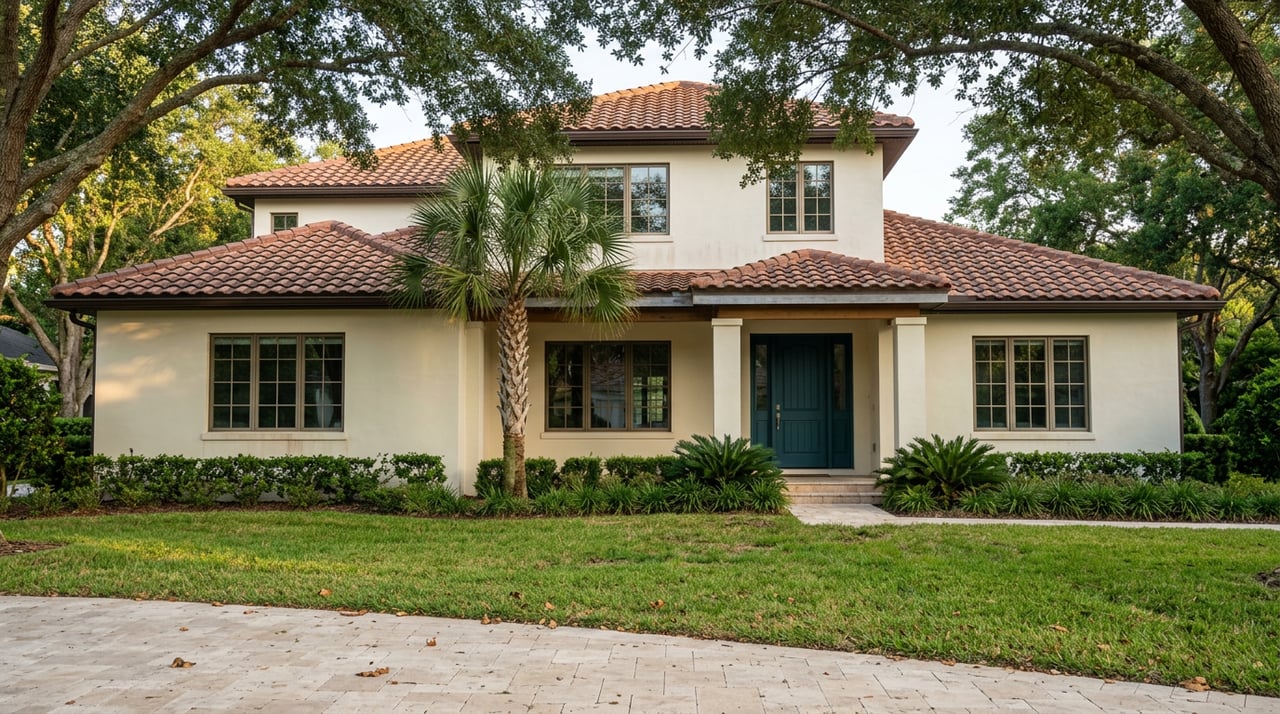
Mission and Spanish Revival homes bring a distinct Florida look. Common features include stucco walls, arched openings, shaped parapets, and clay tile detailing.
These homes often stand out for their texture and architectural identity. If you love a home that feels rooted in Sarasota’s early growth years, this style may be a strong fit. It is also wise to expect that older stucco homes may come with upkeep needs tied to age and prior renovations.
Mediterranean Revival Homes
Mediterranean Revival is one of Sarasota’s signature historic looks. Typical features include red barrel-tile roofs, stucco walls, arched doors and windows, wrought iron, and decorative roof drainage details.
Compared with a bungalow, these homes often feel more formal and more closely tied to the boom-era vision of Florida living. For buyers, they offer visual drama and enduring curb appeal. For sellers, authentic architectural details can be an important part of the home’s story and market positioning.
Midcentury Modern and Sarasota School Influence
If historic revival styles tell one part of Sarasota’s story, midcentury modern tells another. The Sarasota School of Architecture is recognized as a major design movement that adapted modernism to the Gulf Coast climate, geography, and way of living.
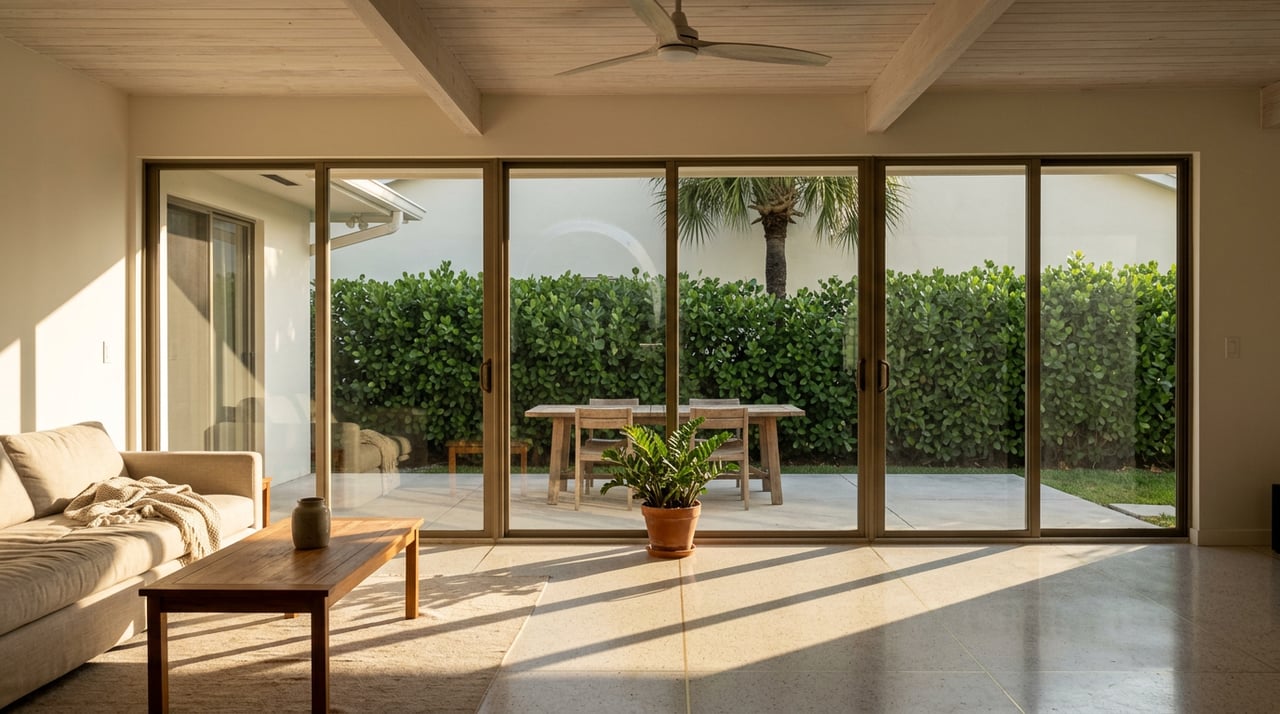
In practical terms, that design legacy often shows up as low horizontal forms, broad areas of glass, clerestory windows, courtyard planning, and a strong indoor-outdoor relationship. These homes can feel open, bright, and deeply connected to the landscape.
What This Style Looks Like
Midcentury modern and Sarasota School influenced homes usually emphasize clean lines and function. Instead of heavy ornament, the focus is often on light, airflow, and usable space.
In West of Trail, that legacy appears in both original homes and newer interpretations. Local examples have included homes with floor-to-ceiling glass sliders, barrel-vaulted roofs, and clerestory windows that echo the work of influential Sarasota architects.
Why Buyers Notice It
For many buyers, this style hits a sweet spot. You get architectural personality, but you also get rooms that feel livable, flexible, and full of natural light.
If you want a home that feels distinctly Sarasota rather than generic, this is often the style to watch. It can also appeal to buyers who are open to either a carefully preserved original home or a modern build inspired by midcentury ideas.
Ranch Homes and Postwar Infill
Not every West of Trail home is historic or architect-driven in a formal sense. Ranch homes became especially popular after World War II, and they remain an important part of the neighborhood mix.
A ranch house is typically a one-level home with a low roof and a rectangular, open plan. In older Sarasota neighborhoods, ranch homes often fill the space between the earliest boom-era homes and the newest custom builds.
Why Ranch Homes Matter
For buyers, ranch homes often offer practical advantages. Single-level living can be easier to navigate, and renovation paths may feel more straightforward than with a highly detailed historic home.
That does not mean every ranch is the same. Some remain classic Old Florida homes, while others have been expanded or updated over time. On mixed-architecture streets in West of Trail, a ranch may sit next to a preserved cottage on one side and a new custom home on the other.
Coastal-Contemporary Rebuilds
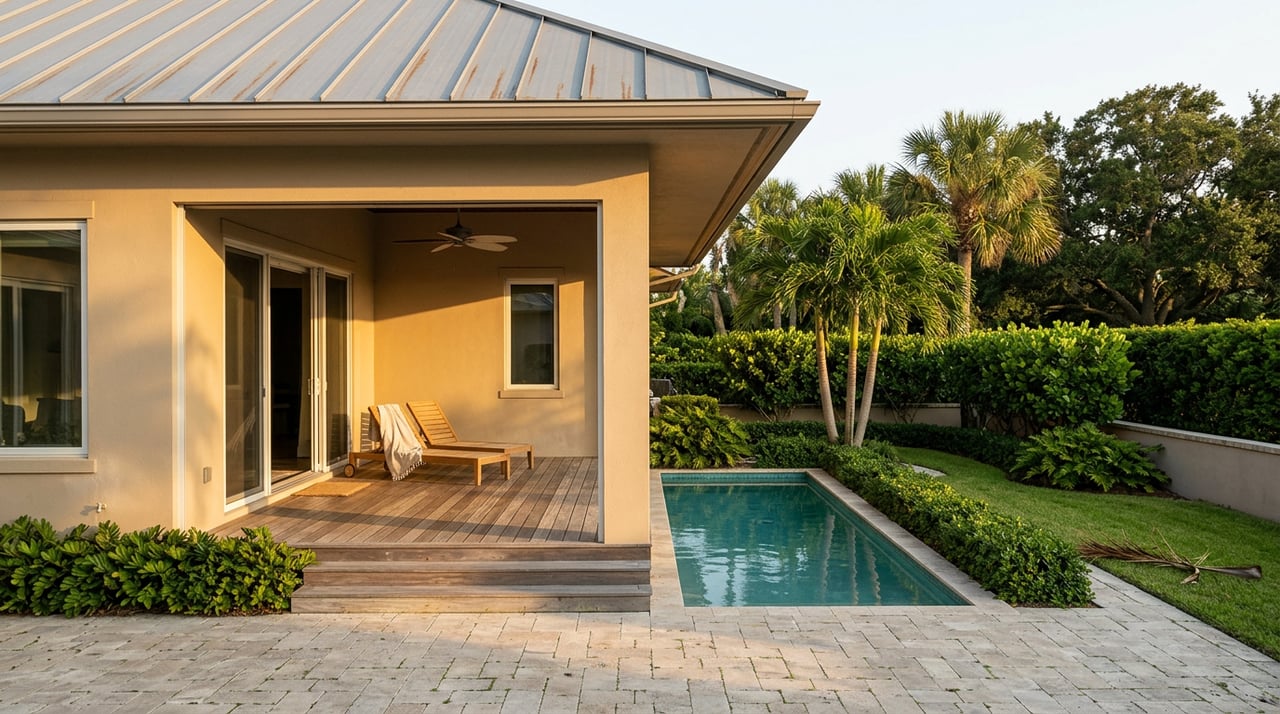
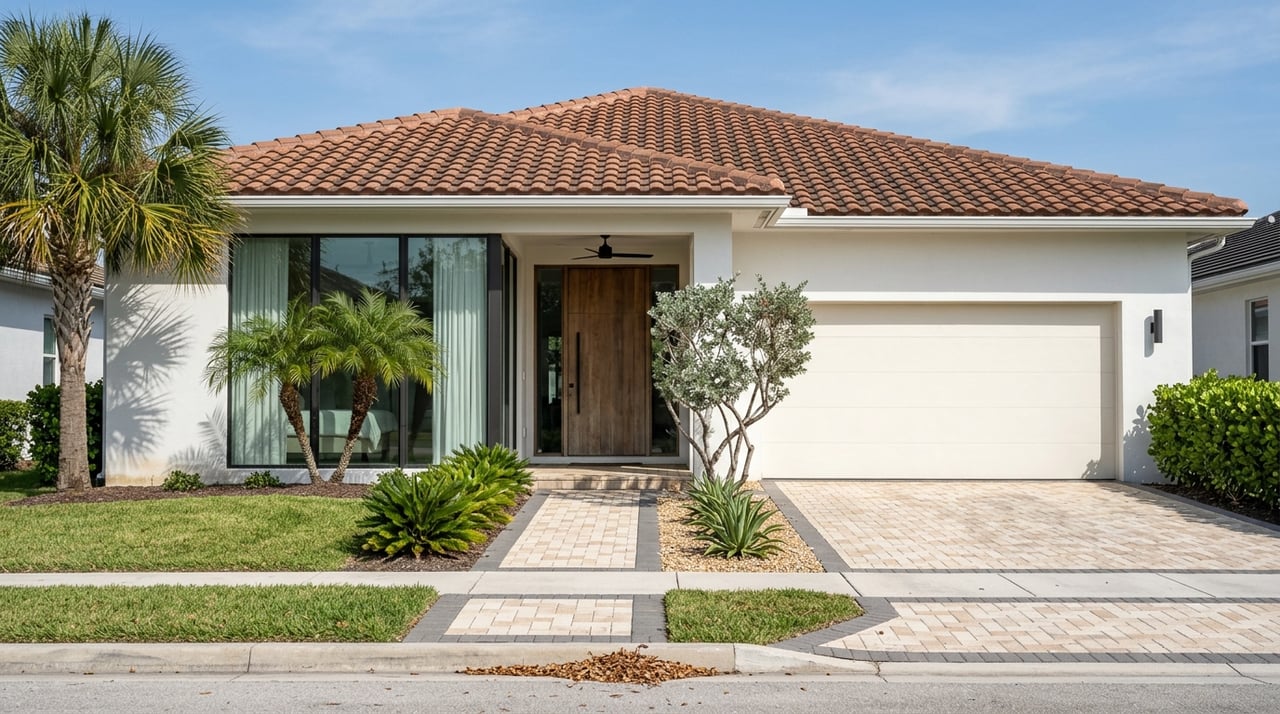
Another defining part of today’s West of Trail is the rise of newer custom homes and coastal-contemporary rebuilds. In some cases, older homes have been replaced by larger new construction with wider footprints and more open interiors.
These newer homes often reflect what many current buyers want: open living, dining, and kitchen spaces, updated systems, and a more turnkey experience. Some newer builds lean contemporary, while others blend modern comfort with older Sarasota cues like stucco finishes, tile influences, or courtyard living.
What You Can Expect
If you are looking for a newer home in West of Trail, this is often the category that offers the most current layout and finish preferences. These homes may feel especially attractive if you value entertaining space, newer infrastructure, and less immediate renovation work.
For sellers, it is important to understand that newer does not erase the importance of context. Buyers in West of Trail are often paying attention not just to square footage, but also to how a home fits the street and the surrounding architectural fabric.
How Style Affects Your Buying Decision
In West of Trail, architectural style is more than a design preference. It often shapes how you live in the home, how much upkeep you may take on, and what kind of future changes may be realistic.
Here is a simple way to think about the main style categories:
| Style | Common Features | Often Appeals To |
|---|---|---|
| Bungalow/Craftsman | Porches, modest scale, handcrafted details | Buyers seeking historic charm and original character |
| Mission/Spanish Revival | Stucco, arches, shaped parapets, tile details | Buyers drawn to classic Florida architecture |
| Mediterranean Revival | Barrel tile, ironwork, arched openings, formal look | Buyers who want visual presence and boom-era style |
| Midcentury Modern | Clean lines, glass, clerestories, indoor-outdoor flow | Buyers who value design legacy and light-filled space |
| Ranch | One-level living, low roof, open rectangular plan | Buyers looking for practicality and simpler renovation paths |
| Coastal-Contemporary | Open plans, newer systems, custom finishes | Buyers seeking turnkey living and modern comfort |
Preservation and Renovation in West of Trail
In this part of Sarasota, style and preservation often go hand in hand. The City of Sarasota says properties considered for historic designation should be more than 50 years old, and exterior changes to locally designated structures require a Certificate of Appropriateness.
The city also reviews demolition requests for eligible or contributing Florida Master Site File resources and offers incentives for sensitive rehabilitation. That matters in West of Trail, where protected historic resources and redevelopment pressure can exist on the same street.
Questions to Ask Before You Buy
If you are considering a home in West of Trail, a few practical questions can help you narrow the right fit:
- Do you want original character, or do you prefer updated systems and finishes?
- Are you comfortable with restoration-minded ownership?
- Would single-level living make day-to-day life easier?
- Do you want a home that reflects Sarasota’s architectural history, or something newer and more turnkey?
- If the home is older, are there local preservation considerations that could affect exterior changes?
These questions matter because the real decision is often not just about what a home looks like today. It is also about how much of its original fabric you want to preserve, how much change you may want to make, and how much process you are willing to take on.
Why West of Trail Stands Out
What defines West of Trail is not one style, but the conversation between styles. Historic bungalows, Mission and Mediterranean homes, midcentury influences, ranch houses, and newer custom builds all contribute to the neighborhood’s identity.
That variety is one of the reasons West of Trail continues to attract so much attention. You can find homes that feel intimate and historic, homes that express Sarasota’s design legacy, and homes that deliver modern ease. The key is knowing which style best fits your lifestyle, your renovation appetite, and your long-term goals.
If you want help understanding how a specific West of Trail property fits into the bigger neighborhood picture, connect with Toni Schemmel for thoughtful local guidance and a personalized approach to your Sarasota move.
FAQs
What architectural styles are most common in Sarasota’s West of Trail?
- West of Trail includes a mix of Bungalow/Craftsman, Mission/Spanish Revival, Mediterranean Revival, midcentury modern, ranch homes, and newer coastal-contemporary rebuilds.
Which West of Trail homes feel the most historic and character-rich?
- Bungalow/Craftsman, Mission/Spanish Revival, and Mediterranean Revival homes are the styles most closely associated with historic character in West of Trail.
What style best reflects Sarasota’s design legacy in West of Trail?
- Midcentury modern and homes influenced by the Sarasota School of Architecture are often seen as the strongest expression of Sarasota’s design legacy.
Which West of Trail homes are usually easiest for one-level living?
- Ranch homes are most commonly associated with one-level living in West of Trail.
What should buyers know about renovating older West of Trail homes?
- Older homes may require more restoration-minded ownership, and locally designated historic properties may need city approval for certain exterior changes.
Are newer homes common in Sarasota’s West of Trail?
- Yes. In addition to older homes, West of Trail includes newer custom and coastal-contemporary rebuilds, often with open layouts and newer systems.