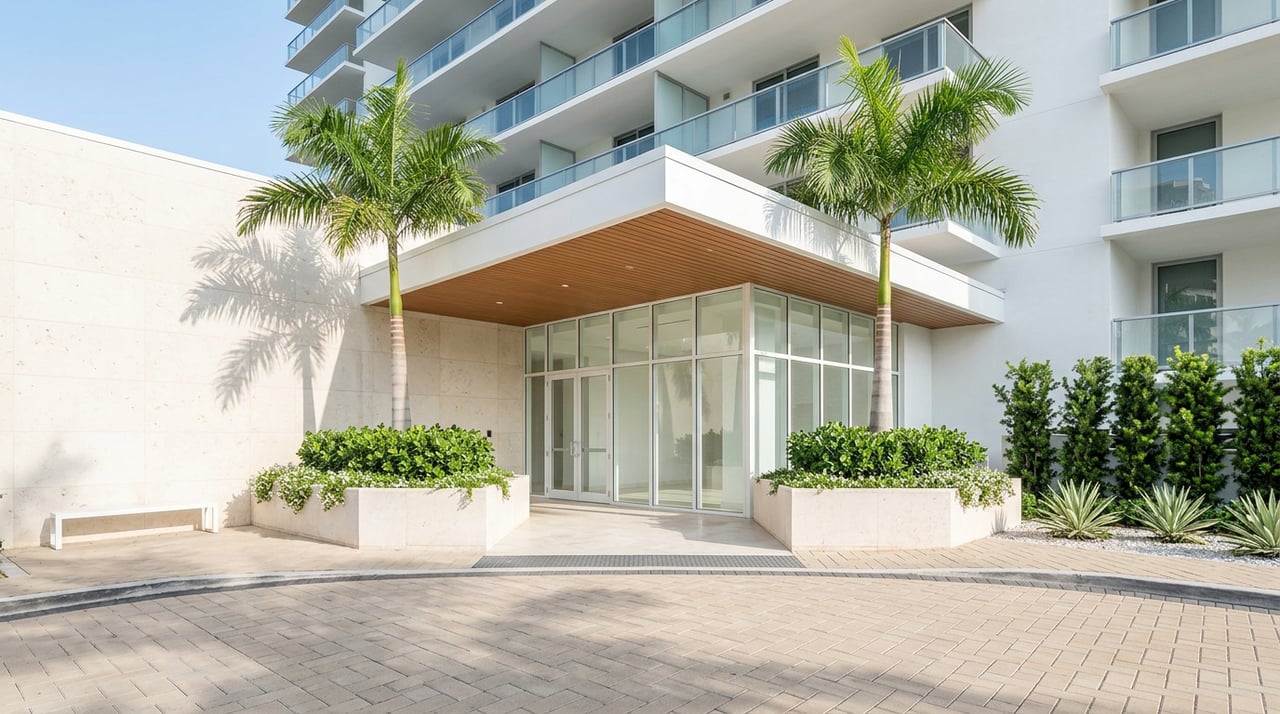
Imagine stepping out your front door for a morning walk along the bay, grabbing coffee on Main Street, and being seated for a show before sunset. If you are eyeing a condo in downtown Sarasota’s 34236 zip code, you want that lifestyle with confidence about the building behind it. In this guide, you will learn how to compare buildings, what Florida-specific rules to check, and the exact documents to request so you can buy with clarity. Let’s dive in.
Downtown lifestyle snapshot
Downtown Sarasota is prized for walkability, with many central blocks in 34236 rated Very Walkable. You can use a quick reference like Walk Score’s Sarasota 34236 map to see how block-by-block access varies.
You are close to cultural and outdoor anchors. The Bay park on the waterfront offers green space and paddle access, and it is a popular reference point when comparing buildings. Plan an afternoon at The Bay with the park’s visitor information page. You are also a short stroll or ride to Marie Selby Botanical Gardens and performances at Van Wezel Performing Arts Hall.
As you assess location, remember the tradeoffs. A block closer to Main Street might add more street noise during peak dining hours. A unit facing west can offer bay and sunset views, while interior-facing homes may be quieter. Parking and storage vary widely by building, so confirm the details early.
Condo building types to compare
You will see a mix of ages, heights, and amenity models in 34236. Knowing the type sets expectations for dues, reserves, insurance exposure, and rules.
New luxury high-rise
- Full amenity packages often include staffed entry or concierge, resident garages, resort-style decks, and modern systems.
- Higher monthly dues are common, but they typically fund extensive services and building staffing.
- These buildings are three or more stories, so Florida’s milestone and reserve rules apply.
Recent luxury mid-rise
- Built within the last 5 to 8 years, often with controlled access, pool, fitness, and club spaces.
- Mid-rise scale can feel more intimate than a high-rise, with modern construction and finishes.
- Still subject to Florida’s milestone and reserve requirements if three stories or higher.
Older waterfront towers
- 1970s to 1990s vintage buildings may offer excellent bay views and larger floor plans.
- Pay special attention to structural reports, past or planned repairs, and any special assessments tied to major work.
- Lenders and insurers increasingly review inspection and reserve documentation for these properties.
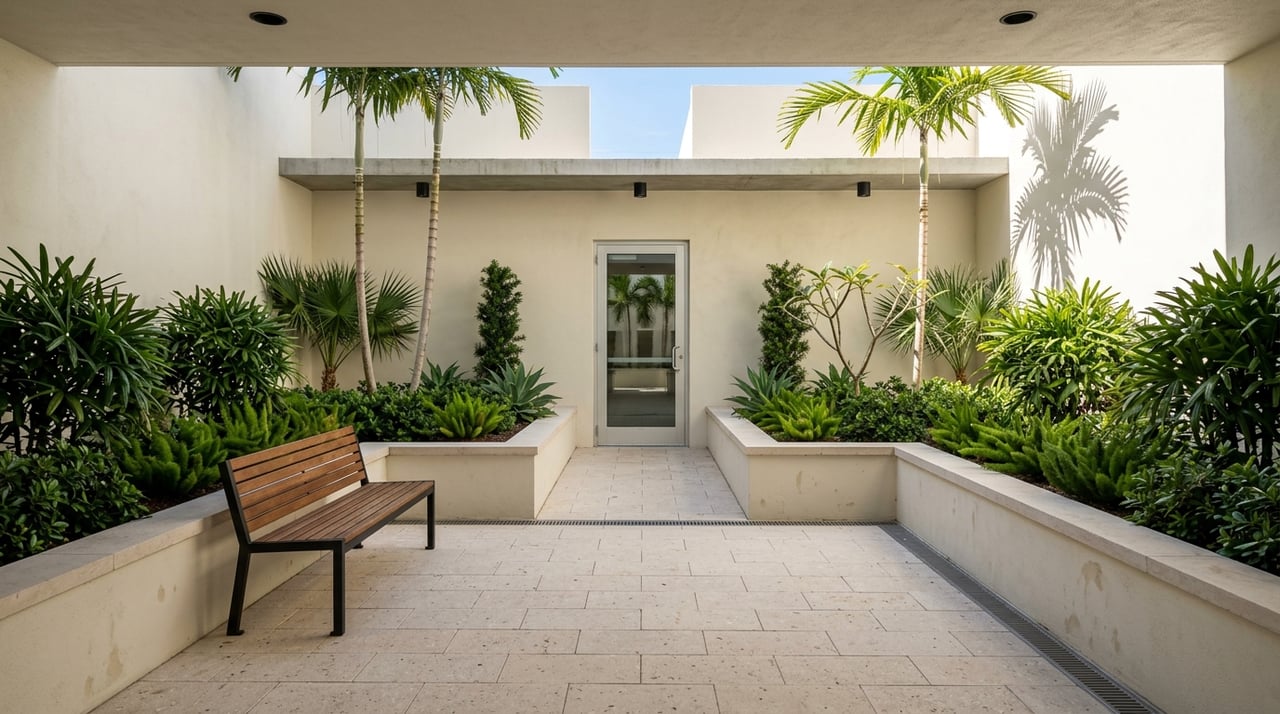
Boutique low-rise and courtyard condos
- Smaller footprints with fewer concierge-style services and, in some cases, lower HOA dues.
- Proximity to Main Street or Burns Court can be a draw. Parking and storage can be limited, so confirm availability.
- Buildings under three stories may have different regulatory triggers than taller buildings, yet you should still review financials, reserves, and maintenance history.
What to check first in Florida
These items are now standard due diligence for Florida condos. Ask for documents in writing and review them with your agent and, if appropriate, a condo-savvy attorney.
Milestone structural inspections
Florida requires “milestone” structural inspections for condominium buildings that are three habitable stories or higher. Associations must keep inspection reports and make them available to prospective purchasers. Ask whether the milestone inspection is required yet, whether it has been completed, what it found, and how any recommended repairs were funded. Review the state’s overview on the DBPR condominium FAQs.
Structural Integrity Reserve Study (SIRS)
Florida also requires a SIRS for buildings three stories or higher. The SIRS identifies key components, recommended timelines, and funding needs. Outcomes can drive reserve requirements, special assessments, or association loans. Request the full SIRS or engineer’s report, plus the association’s plan to fund work. The DBPR FAQs outline how these rules apply.
Association insurance and appraisals
Condominium associations must maintain property insurance for condominium property and rely on independent appraisals to set replacement cost limits. The master policy type determines what you must cover with your own HO-6 policy. Ask for the association’s insurance certificate, policy summary with limits and deductibles, and the most recent insurance appraisal. Review the association insurance obligations in Florida Statute 718.111.
Official records and resale packets
Associations must maintain official records and produce them upon request. For a resale, ask for the current budget, most recent audit or financials, reserve study and SIRS if applicable, milestone reports, the certificate of insurance, meeting minutes for the last 12 months, and a current estoppel or resale certificate showing dues, arrears, and any pending special assessments. See the records and governance framework in Chapter 718, Part I.
Flood zones and elevation
Many downtown buildings are near Sarasota Bay. Check the FEMA flood zone for the address and ask whether an elevation certificate is available. If a unit is in a Special Flood Hazard Area, mortgage lenders will require flood insurance. The City’s page links to current FIRMs and local flood resources. Start with the City of Sarasota’s flood map information.
Financing and lender checks
Condo financing depends on the building as much as the buyer. Many conventional lenders complete a project review to confirm eligibility. They look at reserves, owner-occupancy, commercial space ratios, and litigation. Fannie Mae and Freddie Mac have project standards, and some projects have an approved status that can speed things up. Review the high-level requirements in Fannie Mae’s condo and co-op project guidance.
If you plan to use FHA or VA financing, confirm early whether the building appears on the relevant approved list. Regardless of loan type, recent SIRS or milestone findings can affect underwriting, rates, or approval timelines.
Parking, pets, rentals, and amenities
Lifestyle details shape daily comfort and resale value. Confirm the following before you fall in love with a view.
- Parking and storage. Are spaces deeded or assigned, and are they full size or compact only? Can spaces be sold or rented? What is the guest parking policy? Is there a storage unit, bicycle room, or available lockers?
- Pets. Check the number allowed, size or weight caps, and any breed restrictions. Ask whether rules were recently amended and how enforcement works.
- Rentals. What is the minimum lease length? Are there rental caps or limits on the total number of units that can be rented at one time? Short-term platforms may be regulated or prohibited, which can affect comps and financing.
- Amenities. Note pool, fitness, staffed entry or concierge, package handling, resident lounges, and any on-site services. Also ask about elevator service records and major system replacement dates.
Your 15-minute shortlist checklist
Use this snapshot to compare three to five buildings side by side. Ask for written copies where noted.
- Governing documents: declaration, articles, bylaws, and house rules. Review who is responsible for interior repairs and what the master policy covers.
- Financials: last two to three years of financial statements and the current adopted budget. Look for operating cash and reserve allocations that align with planned work.
- SIRS and milestone: date completed, findings, recommended scope, and funding plan. Note any contractor bids and repair timelines. For 3-plus story buildings, confirm that both items are current.
- Insurance: master policy declarations, limits, storm or named peril deductibles, and date of the last independent replacement-cost appraisal. Ask if the deductible could trigger a loss assessment to unit owners.
- Special assessments: list of assessments over the last five years, any planned assessments, and how the association will collect them.
- Litigation: any pending or anticipated lawsuits, including vendor claims or developer issues.
- Minutes: read the last 6 to 12 months for discussions about deferred maintenance or disputes.
- Occupancy and rentals: owner-occupancy percentage, rental policy, and how many units are actively leased.
- Access and maintenance: elevator service records, roof replacement date, exterior painting or waterproofing cycles, and any pest or termite reports.
- Parking and storage: deeded versus assigned spaces, transfer rules, and options to add a space or storage.
Red flags that warrant deeper review
- Missing or incomplete SIRS or milestone reports for a 3-plus story building.
- No current insurance declarations or very large percentage storm deductibles.
- Significant litigation that touches structural integrity or long-running repair disputes.
- High HOA delinquency rates, which can affect lending and signal financial stress.
- Large or frequent special assessments with no long-term funding plan.
Map your walk and daily rhythm
Think about how you will use your condo week to week. Map your stroll to The Bay, lunch or dinner near Main Street, and a show at Van Wezel. Note noise at peak times and whether your must-have shops or fitness options are within a few blocks. For a quick reference, check a walkability tool like Walk Score’s Sarasota 34236 view, then validate by visiting at different times of day.
Next steps
- Get preapproved with a condo-savvy lender and confirm project eligibility early to avoid timeline stress.
- Request the full resale packet, SIRS, and milestone reports for any building you are seriously considering.
- Ask your agent to help you compare budgets, reserves, and insurance details across your shortlist.
- Consider a condo-experienced attorney to review declarations, estoppel items, and any pending assessments.
- For technical items, refer to the state’s DBPR guidance on milestones and SIRS and the Florida Statutes that govern associations.
If you want a confident, lifestyle-forward search in 34236, let’s curate a short list that fits how you live and what lenders expect today. Start the conversation with Toni Schemmel for a private consult and a tailored plan to your goals.
FAQs
What makes downtown Sarasota’s 34236 condos appealing?
- Walkability to the bayfront, dining, and arts, with access to The Bay park and cultural venues, plus a wide range of building types and amenities.
How do Florida milestone inspections affect my purchase?
- Buildings three stories or higher must complete milestone inspections, and associations must share reports, which can reveal repair needs and funding plans that affect value.
What is a Structural Integrity Reserve Study (SIRS)?
- It is an engineering-based study that identifies major components, timelines, and required reserves for buildings three stories or higher, often influencing dues and assessments.
What condo insurance questions should I ask?
- Ask what the master policy covers, the limits and deductibles, the date of the last replacement-cost appraisal, and what HO-6 coverage you need, including loss-assessment limits.
How can I check flood risk for a 34236 condo?
- Review the property’s FEMA flood zone and elevation details using the City of Sarasota’s flood map resources and confirm if flood insurance will be required by a lender.
Do lenders review the condo association itself?
- Yes, many lenders complete a condo project review that looks at reserves, occupancy, litigation, and other factors, and approvals can impact your loan options and timing.