Is Siesta Key calling your name, but you keep asking whether a condo or a beach house fits you best? You are not alone. Many buyers weigh lifestyle, upkeep, and rental potential before they choose. In this guide, you will compare real-world tradeoffs on Siesta Key so you can pick with confidence. Let’s dive in.
Lifestyle fit on Siesta Key
Walkability and village vibe
If you want an easy, low-chore lifestyle with quick access to restaurants and shops, a condo near Siesta Key Village or Siesta Beach can be a great match. Many buildings sit within a comfortable walk of public beach access and dining. You will share common areas, which creates a social environment and can add convenience.
Privacy and space
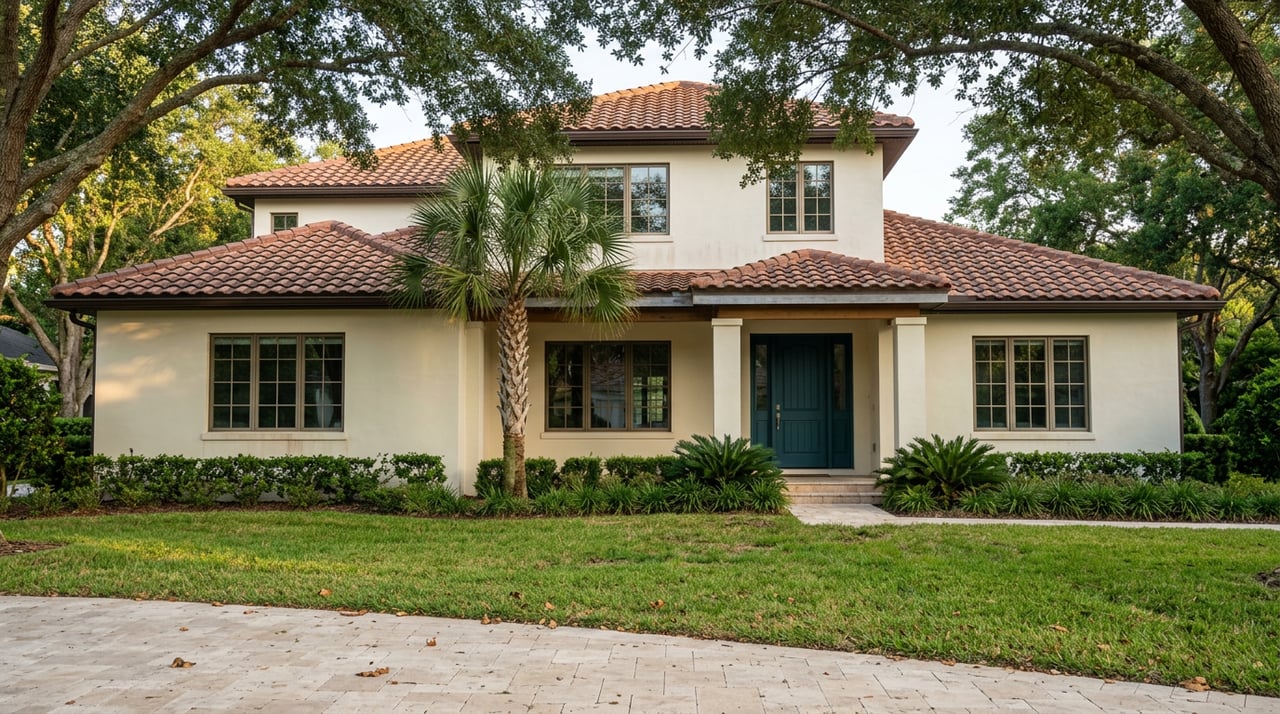
If you prefer more space and separation, a single-family beach house typically delivers. You gain yard or patio space, room for guests, and more design flexibility. Waterfront houses with direct beach paths may offer private or limited-access entry to the sand.
Boating and water access
Canal and bayside houses often include docks or the option to add a lift, which suits a boating lifestyle. Condos may offer slips in select communities, but availability varies and rules apply. If boating is central to your plans, a house on a canal or the Intracoastal may feel more seamless.
Amenities and services
What condos often include
Many Siesta Key condos provide pools, fitness rooms, secure entry, elevators, and onsite or professional management. Landscaping and exterior work are handled for you, which supports a lock-and-leave routine. Assigned or covered parking can be important since public beach parking fills quickly in peak season.
What houses often offer
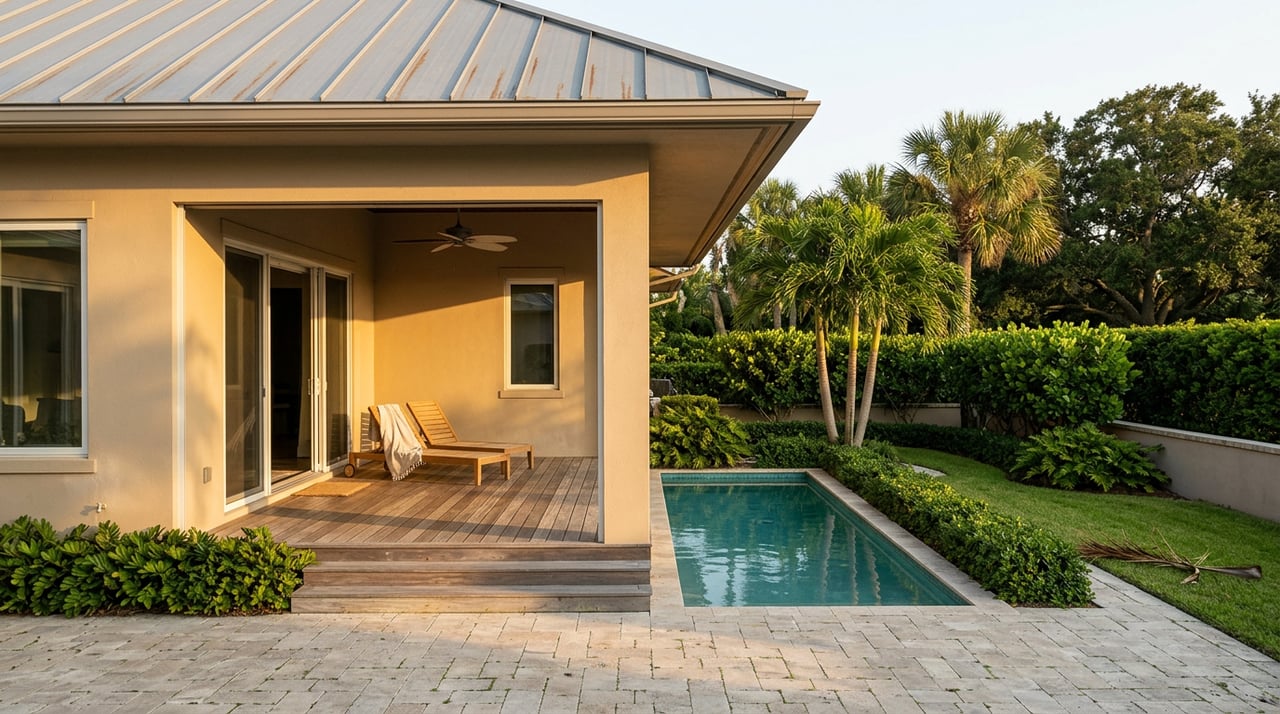
Single-family homes give you control over features like a private pool, outdoor kitchens, and exterior upgrades, subject to local rules. On canal lots you may have a dock, lift, and direct boating access. You also choose your own service providers, which can be useful if you want to customize maintenance or improvements.
Costs and maintenance
Condo fees and assessments
Condo ownership includes monthly HOA fees that typically cover exterior maintenance, landscaping, common-area utilities, amenity upkeep, and a master insurance policy. Coastal buildings often plan for salt-air corrosion, concrete work, and elevator care, which can raise dues. Older buildings may levy special assessments if reserves fall short, so review budgets, minutes, and reserve studies before you buy.
House upkeep and variability
With a beach house, you manage the full exterior and systems. Expect roof care, paint or siding, HVAC, pool service, landscaping, pest control, and dock or seawall maintenance on waterfront parcels. Coastal exposure increases wear, so plan for more frequent upkeep and set aside reserves for larger projects.
Utilities and included services
Condo fees may include water and sometimes cable or internet. With a house, you carry utilities separately and confirm sewer or septic details for the property. Either way, understand what is included in fees and what you must handle on your own.
Insurance and risk
Flood zones and elevation
Siesta Key is a barrier island with areas in FEMA flood zones. If you finance, flood insurance may be required, and premiums depend on elevation, construction, and mitigation features. For condos, clarify what the master flood policy covers versus what you need for your unit.
Wind and hurricane coverage
Florida coastal properties face hurricane risk. Wind policies, storm deductibles, and building age all affect premiums. Condo master policies may have hurricane deductibles that can be shared among unit owners, so verify the policy details.
Building age and mitigation
Newer construction often aligns with stronger wind and flood standards. For houses, features like impact protection and raised elevations can reduce insurance costs. For condos, the building’s age and maintenance history influence both risk and long-term capital needs.
Financing and local rules
Condo lending requirements
Financing a condo can involve extra steps. Lenders often review the project’s budget, reserves, insurance, and any legal matters. Owner-occupancy ratios and project eligibility can affect loan options, so get preapproved with a lender experienced in condos.
Short-term rental limits
Siesta Key has strong demand for vacation rentals, but rentals are regulated. Sarasota County sets rules, registration, and safety standards, and many condo associations add their own minimum stays or limits. Always verify county requirements and the association’s rental policy before assuming income.
Resale and liquidity
Well-located condos near the beach and village attract steady lifestyle demand. Some buyers are cautious about older coastal buildings, especially where assessments or insurance costs are uncertain. Single-family beachfront properties are scarce and command premiums, but the buyer pool can be narrower and timelines can vary by cycle.
Taxes and operating costs
Property taxes and exemptions
Property taxes are assessed by Sarasota County and depend on value and any exemptions. If you plan to make the property your primary residence, explore Florida’s homestead exemption to understand potential savings.
Rental income math
If you plan to rent, run realistic projections. Include nightly or monthly rates, occupancy, management fees, cleaning, utilities, platform fees, and taxes. Be conservative until you confirm rules and historical performance for that specific property.
Siesta Key micro-locations
Near Siesta Key Village
You get restaurants, shopping, and a lively energy. Expect more foot traffic and seasonal activity. Condos dominate here, with some single-family options on nearby streets.
Crescent Beach and Midnight Pass
This stretch mixes condos and homes with a relaxed feel and beautiful shoreline. You will find both gulf-front and bayside choices, including canal access for boating. Proximity to Stickney Point helps with off-island access but can be busy in peak times.
Turtle Beach and the south end
The southern end offers a quieter vibe with access to fishing, launch points, and marinas. Inventory includes a blend of condos and single-family homes. If you value space and a calmer pace, this area can be a strong fit.
Quick comparison: condo vs beach house
- Condo strengths:
- Low-maintenance and lock-and-leave convenience.
- Walkability to beach and village in many buildings.
- Onsite amenities that appeal to guests and renters, where allowed.
- Condo tradeoffs:
- Monthly HOA fees and possible special assessments.
- Shared walls and less control over building decisions.
- Rental limits set by the association.
- Beach house strengths:
- Privacy, space, and customization.
- Potential for docks and direct boating access on canals.
- Private pools and outdoor living on your terms.
- Beach house tradeoffs:
- Higher hands-on maintenance and variable costs.
- Potentially higher insurance and flood exposure.
- Responsible for all exterior and systems upkeep.
Your due diligence checklist
Ask the right questions
- Is the parcel in a FEMA flood zone, and what is the base flood elevation? Any past flood claims?
- What are current annual property taxes and recent assessed values?
- For condos: what do monthly fees include, when was the last increase, and are there any planned assessments? What are the rental rules and minimum stays?
- For houses: what recent major repairs were completed, and what is the condition of roof, HVAC, pool, seawall, dock, and lift if applicable?
- Has the property been operated as a rental, and if so, what occupancy and revenue history is available?
- Are there any deed restrictions, easements, or coastal setback rules that affect changes you might want to make?
Review the documents
- Condo: CC&Rs, bylaws, rules, budget, reserve study, recent minutes, master insurance policy, estoppel letter, litigation disclosures, and rental policy.
- House: survey, dock and seawall permits, septic or sewer information, inspection reports, and warranties.
- Both: elevation certificates, flood maps, prior insurance claims, and any recent appraisals.
Build the cost picture
- Mortgage payment based on realistic pricing for your target properties.
- HOA dues for condos compared to estimated house maintenance, landscaping, pool service, and pest control.
- Annual property taxes and any exemptions for a primary residence.
- Homeowners insurance, hurricane deductibles, and separate flood premiums.
- A reserve set-aside for capital projects or your share of condo reserves.
- For rentals: projections that include management, platform fees, turnover, and taxes.
Plan your inspections
- General home inspection for structure and systems.
- For condos: building envelope, balconies, elevators, pool and mechanicals, and signs of concrete deterioration.
- For waterfront houses: foundation or pilings, dock and lift, and seawall condition.
- Pest and termite, plus mold and moisture checks.
- Wind mitigation inspection for potential insurance credits.
When a condo fits best
Choose a condo if you prioritize minimal upkeep, walkability, onsite amenities, and an easy lock-and-leave routine. This is a strong match for seasonal owners and buyers who value convenience over customization. It may also suit rental strategies where association rules allow shorter stays.
When a beach house fits best
Choose a beach house if you want privacy, room to spread out, direct waterfront or boating access, and control over improvements. This path fits buyers building a long-term legacy property and those who enjoy managing projects. Be ready for more variable maintenance and insurance costs.
Make your Siesta Key plan
Your best choice comes from comparing how you want to live with the true cost to own. Build a side-by-side of two or three specific properties, verify rules and insurance early, and schedule targeted inspections. With a clear plan, you can buy with confidence and start living the Siesta Key life you imagine.
If you are ready to evaluate a short list and want a tailored cost and lifestyle comparison, connect with Toni Schemmel. We will help you weigh location, rules, insurance, and long-term value so you can choose the right fit.
FAQs
What are the biggest cost differences between condos and houses on Siesta Key?
- Condos have monthly HOA dues that cover exterior items and a master policy, while houses carry variable maintenance and separate insurance for all systems and structures.
How do short-term rental rules affect buying on Siesta Key?
- Sarasota County regulates vacation rentals and many associations add minimum stays or limits, so verify both county requirements and HOA rules before assuming rental income.
Is flood insurance usually required on Siesta Key?
- Many properties lie in FEMA flood zones, so lenders often require flood coverage; premiums depend on elevation, construction, and mitigation features.
Are older coastal condos riskier to own?
- Older buildings can face higher maintenance and concrete repairs, which may lead to assessments; review budgets, reserve studies, minutes, and insurance before you decide.
Which areas of Siesta Key are best for walkability?
- Condos near Siesta Key Village and the public beach offer strong walkability, while southern areas like Turtle Beach provide a quieter feel with less foot traffic.
What inspections should I prioritize for a waterfront house?
- In addition to a general inspection, focus on foundation or pilings, seawall and dock condition, lift equipment, and any shoreline protections and permits.