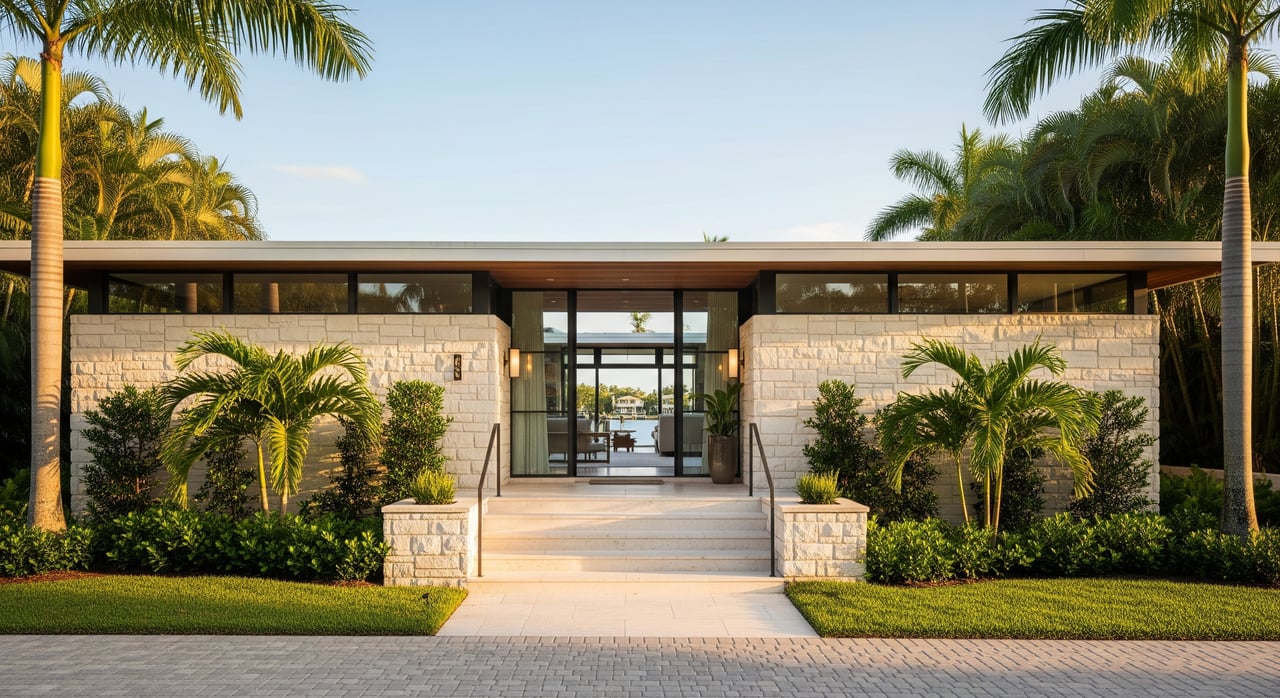
Planning a Sarasota renovation and torn between West of Trail and Southgate? You are not alone. Both offer mid‑century character and prime access to beaches and culture, but the renovation path can look very different depending on the lot, zoning, and the home’s original design. In this guide, you will learn how each area supports your vision, what to expect with permitting and flood considerations, and how to plan for resale. Let’s dive in.
Neighborhood snapshot
West of Trail at a glance
West of Trail refers to pockets between Tamiami Trail and the bay or downtown. You get walkable streets, quick access to restaurants and cultural venues, and a mix of historic homes and infill. Lots can be smaller, which often means tighter setbacks and creative design solutions for additions.
Southgate at a glance
Southgate is a distinct, post‑war neighborhood south of downtown with curving streets and many mid‑century ranch homes. Lots tend to be larger than in the closest West of Trail pockets. That extra space can support single‑story expansions, larger outdoor living, and more privacy.
Architecture and what it means
Mid‑century ranch basics
You will often find single‑story plans with low‑pitched roofs, attached carports or garages, and simple layouts built on slab‑on‑grade. Many homes need modern HVAC, electrical, and plumbing upgrades. Low‑slope roofs may be at the end of their service life, so plan for roof work and moisture management.
Sarasota School hallmarks
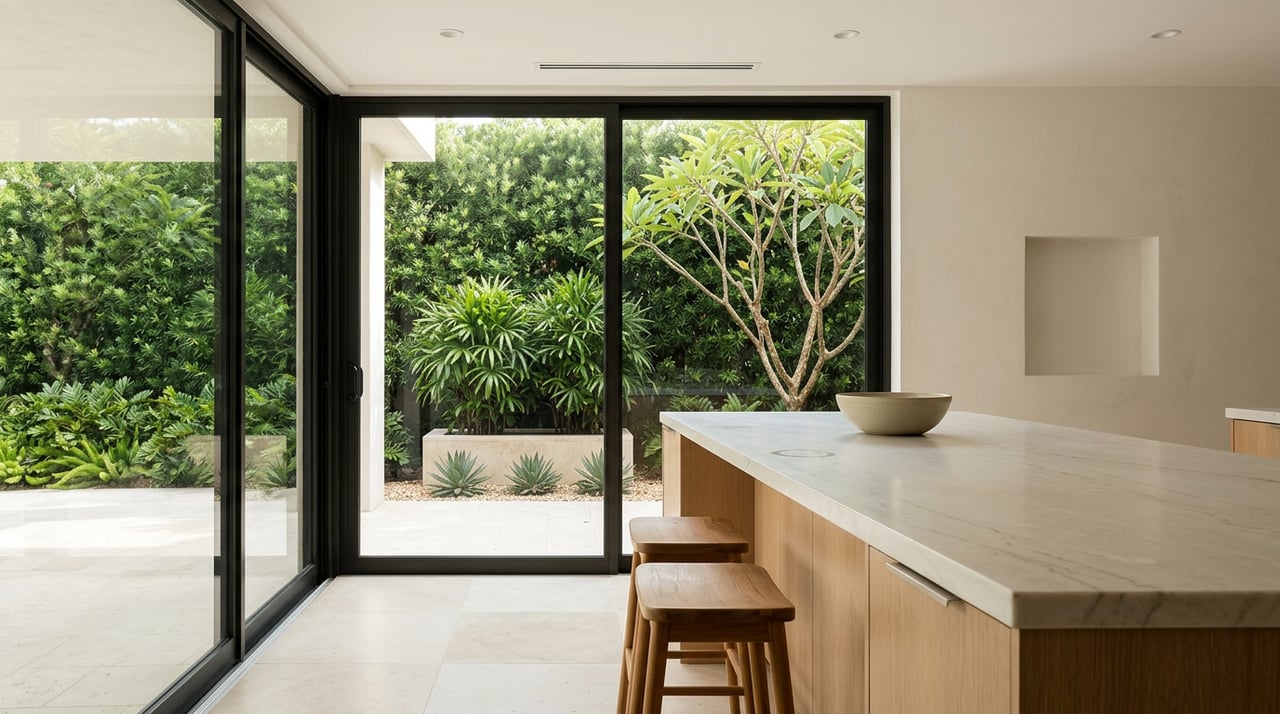
Some homes show Sarasota School influence, with horizontal lines, large glass, shading devices, and a strong indoor‑outdoor connection. If you value design, preserving features like overhangs, louvers, clerestory windows, and built‑ins can protect architectural integrity and appeal. Sensitive updates often stand out at resale because they keep what makes the home special.
Lot size and expansion paths
- West of Trail: Smaller urban lots can limit lateral additions, driveway expansions, and accessory structures. You may lean toward interior reconfiguration, a second‑floor addition if permitted, or smaller‑scale outdoor living spaces.
- Southgate: Larger lots often support single‑story footprint growth, bigger pools and screened lanais, and potentially detached structures where allowed. This can be ideal if you prefer one‑level living and a generous backyard.
Always verify the parcel’s dimensions and setbacks before planning. Actual lot sizes and regulations vary by address.
Zoning and permitting factors
Confirm the jurisdiction
Start by confirming whether your address falls in the City of Sarasota or unincorporated Sarasota County. Rules differ on setbacks, height, floor area, historic review, and permitting timelines. This choice shapes what you can build and how quickly you can move.
Setbacks, height, and overlays
Setbacks and height limits can restrict addition size and placement. Near downtown, some properties may have conservation or historic overlays that guide exterior changes. If you are considering a full transformation or tear‑down, understand how local review processes might affect design and timeline.
Coastal and wind requirements
Near the bay and Gulf, expect coastal code provisions, wind‑borne debris zones, and possibly the Coastal Construction Control Line. These can drive window, door, and structural choices. Impact‑rated assemblies and stronger structural systems add cost but improve resilience and marketability.
Flood, elevation, and insurance
- Many parcels sit in FEMA flood zones such as AE or VE. Your zone influences whether substantial improvements require elevating systems or finished floors.
- An elevation certificate, flood map review, and a talk with your insurer help you budget for compliance.
- Elevating HVAC and electrical, improving drainage, and choosing appropriate materials can reduce long‑term risk and support resale.
Renovation scope and cost signals
- Systems first: Old HVAC, dated panels, and aging plumbing are common in mid‑century homes. Build these upgrades into your budget from the start.
- Roof and envelope: Low‑slope roofs and older waterproofing often need replacement. Plan for moisture control and window updates, and consider impact‑rated options where required.
- Structure and additions: Second stories are possible but usually costlier due to slab and structural work. If your vision leans big and single‑level, Southgate’s larger lots can be a practical fit. If you value proximity over yard size, West of Trail may push you toward interior reconfiguration with select exterior enhancements.
- Preserve with intent: Thoughtful restoration of Sarasota School details can attract design‑savvy buyers. If you choose a full modern makeover, do it well and with materials that match the neighborhood’s quality expectations.
Resale and ROI signals
- What moves the needle: Refreshed kitchens and baths, better indoor‑outdoor flow, high‑efficiency HVAC, and wind and flood resilience improvements.
- Location premium: Proximity to downtown and cultural venues often justifies higher renovation budgets, especially West of Trail. Southgate’s larger lots support outdoor living that buyers value.
- Balance character and market: Preserving original design can earn a premium from a segment of buyers. A generic overhaul may widen the audience but risks erasing architectural value. Calibrate scope with recent sales of renovated homes nearby.
Decision framework
- Define your ambition
- Cosmetic refresh, systems and roof updates, full reconfiguration or addition, or a preservation‑led project.
- Confirm parcel facts
- City vs County, lot size, buildable area, zoning, flood zone, and any historic or conservation overlays.
- Engage specialists
- Inspector versed in Florida coastal issues, architect familiar with mid‑century and Sarasota School, contractor experienced with local codes, and a local agent for neighborhood comps.
- Estimate constraints and costs
- Setbacks, height, elevation requirements, impact windows, and whether you are on sewer or septic.
- Run a value test
- Compare the total project cost to the expected resale value of renovated homes in the same neighborhood.
- Make the call
- If the parcel supports your vision and comps validate the plan, proceed. If not, adjust scope or consider the other neighborhood.
Which fits your vision
Preserve and showcase design
- Fit: Either area with documented mid‑century lineage. Look for intact features, manageable roof and structure, and a flood zone that will not force major elevation work.
- Consider: You will invest more in careful restoration but can appeal to design‑minded buyers at resale.
One‑level living with big outdoor space
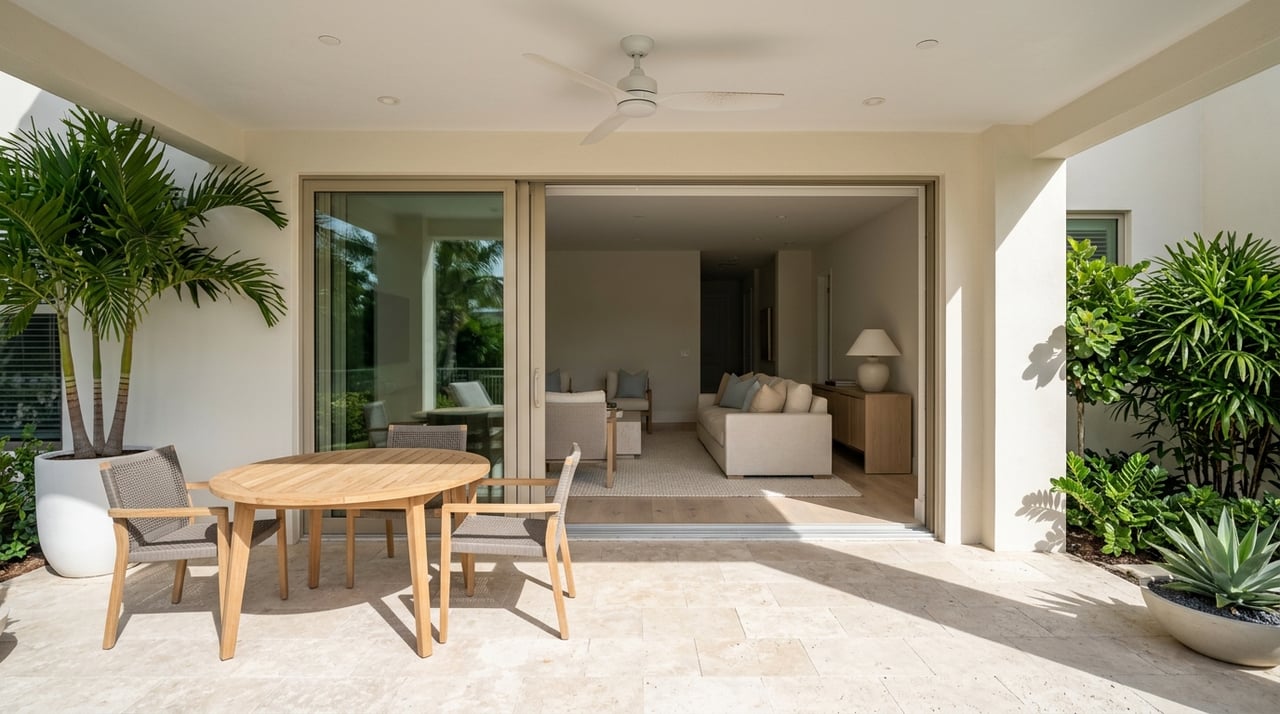
- Fit: Southgate’s larger lots often support lateral additions, large screened lanais, and pools with privacy landscaping.
- Consider: Check setbacks, tree protections, and allowable lot coverage to keep stormwater in compliance.
Walkability and a modern interior
- Fit: West of Trail for immediate access to downtown amenities and bayfront parks.
- Consider: Smaller lots may limit additions. Interior reconfiguration, system upgrades, and high‑quality finishes can deliver a fresh, open plan.
Tear‑down and rebuild
- Fit: Works in either neighborhood if zoning allows. Southgate’s lot sizes can simplify site planning, while West of Trail offers a premium location.
- Consider: Expect higher scrutiny and costs for coastal and wind requirements, plus a longer permitting path.
Due‑diligence checklist
- Jurisdiction and zoning: City or County, permitted uses, setbacks, and height limits.
- Parcel data: Lot size, buildable area, and current footprint from official records.
- Flood and elevation: FEMA designation and any available elevation certificate.
- Overlays and resources: Historic or conservation areas that guide exterior changes.
- Permit history: Recent permits and any code violations.
- Survey: Require a recent boundary survey or include one in your contingencies.
The right team
- Architect: Mid‑century and Sarasota School experience for preservation‑minded plans.
- Contractor: Coastal code expertise, impact assemblies, and local permitting savvy.
- Structural engineer: Needed for second stories and slab reinforcement questions.
- Certified inspector: Focus on roof, slab, moisture, and termite risks.
- Local agent: Neighborhood comps and insights on buyer preferences and resale timelines.
Putting it all together
If you dream of a design‑forward home with instant access to downtown and the bay, West of Trail can reward a smart interior transformation or a sensitive restoration. If you want one‑level living, a larger yard, and room to expand your outdoor amenities, Southgate often makes that easier. Both areas can support a high‑quality renovation. The best choice comes down to your lot, your scope, and your comfort with coastal and flood compliance.
Ready to match a property with your plan, run the numbers, and move forward with confidence? Reach out to Toni Schemmel for neighborhood‑specific guidance, renovation‑savvy comps, and a boutique, high‑touch process from search to closing.
FAQs
Do West of Trail homes allow easy additions?
- Many lots are smaller, which can limit lateral additions and push projects toward interior reconfiguration or a potential second‑floor, subject to zoning and setbacks.
Is Southgate better for single‑story expansions?
- Often yes. Larger lots and deeper setbacks in Southgate usually support footprint growth, larger lanais, and pools, pending parcel‑specific rules.
Will I need to elevate if I renovate near the bay?
- Possibly. Requirements depend on your FEMA flood zone, local codes, and whether the work is a substantial improvement. Review maps and consult building officials.
Are Sarasota School features worth preserving at resale?
- For a segment of buyers, yes. Authentic mid‑century details can command a premium, though restoration costs may be higher than generic updates.
Do I need impact‑rated windows in Sarasota?
- In coastal and wind‑borne debris regions, impact‑rated openings are commonly required. Confirm with local code officials and your insurer for your specific parcel.