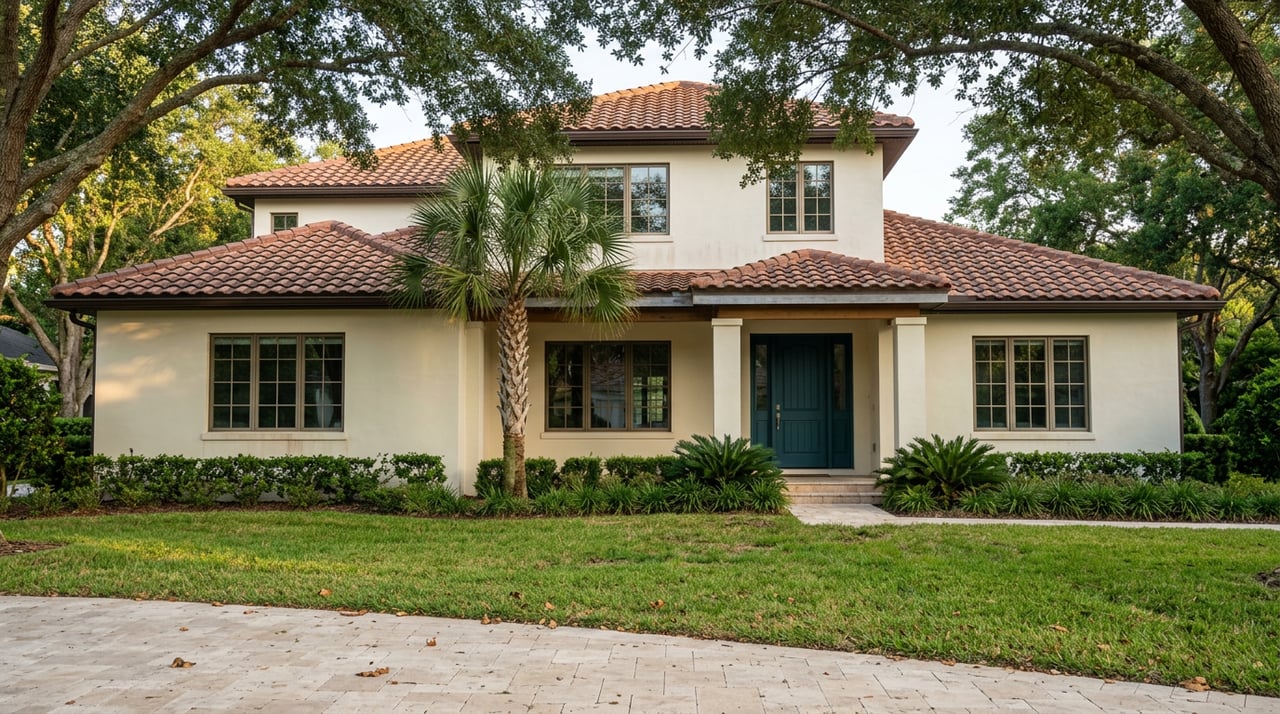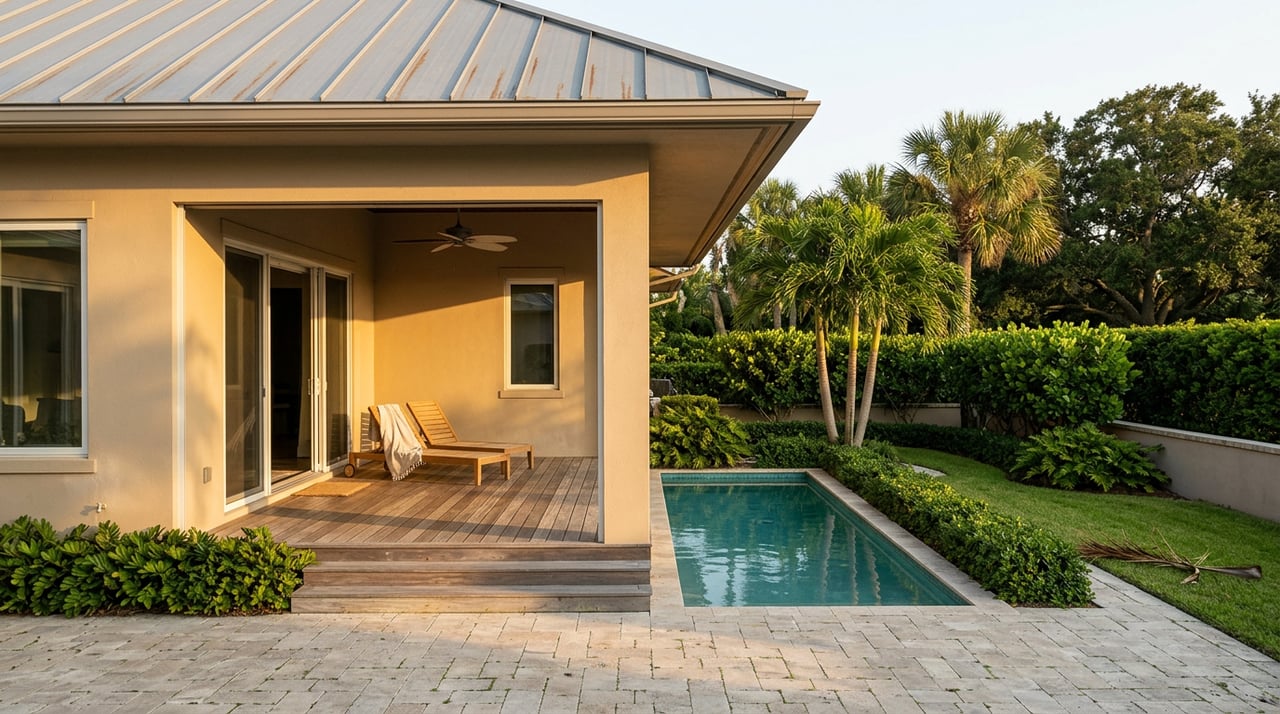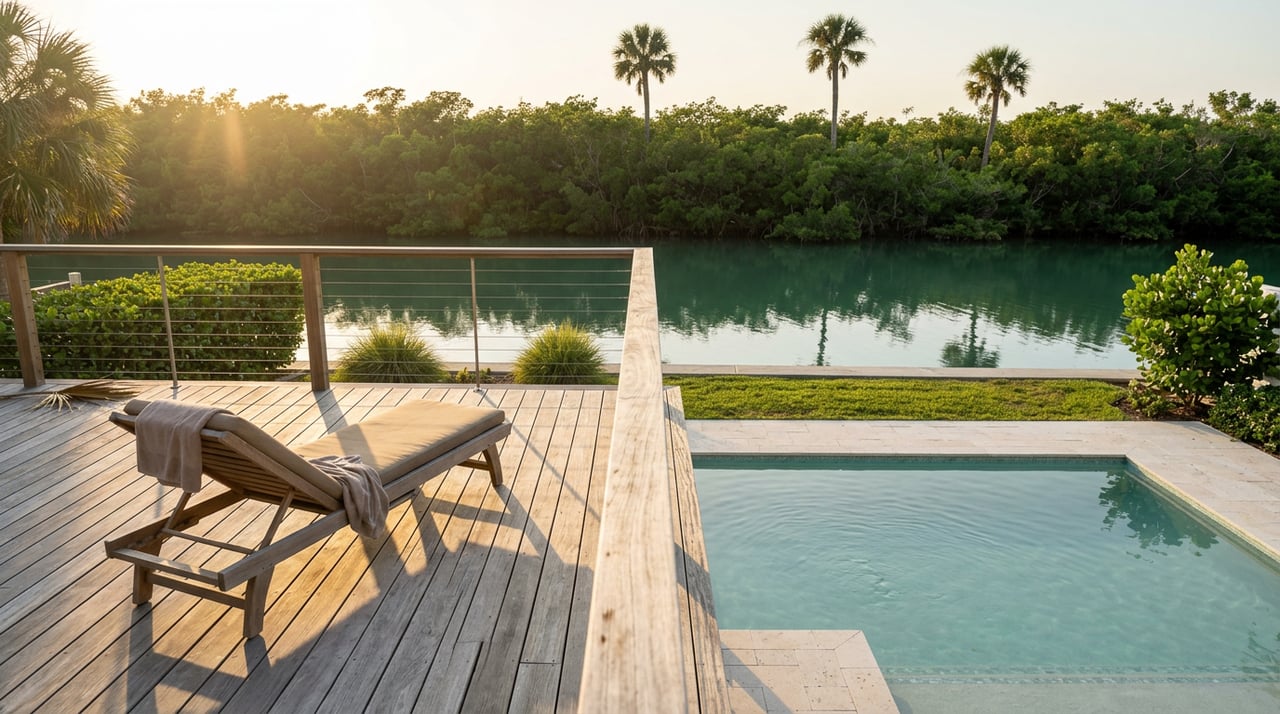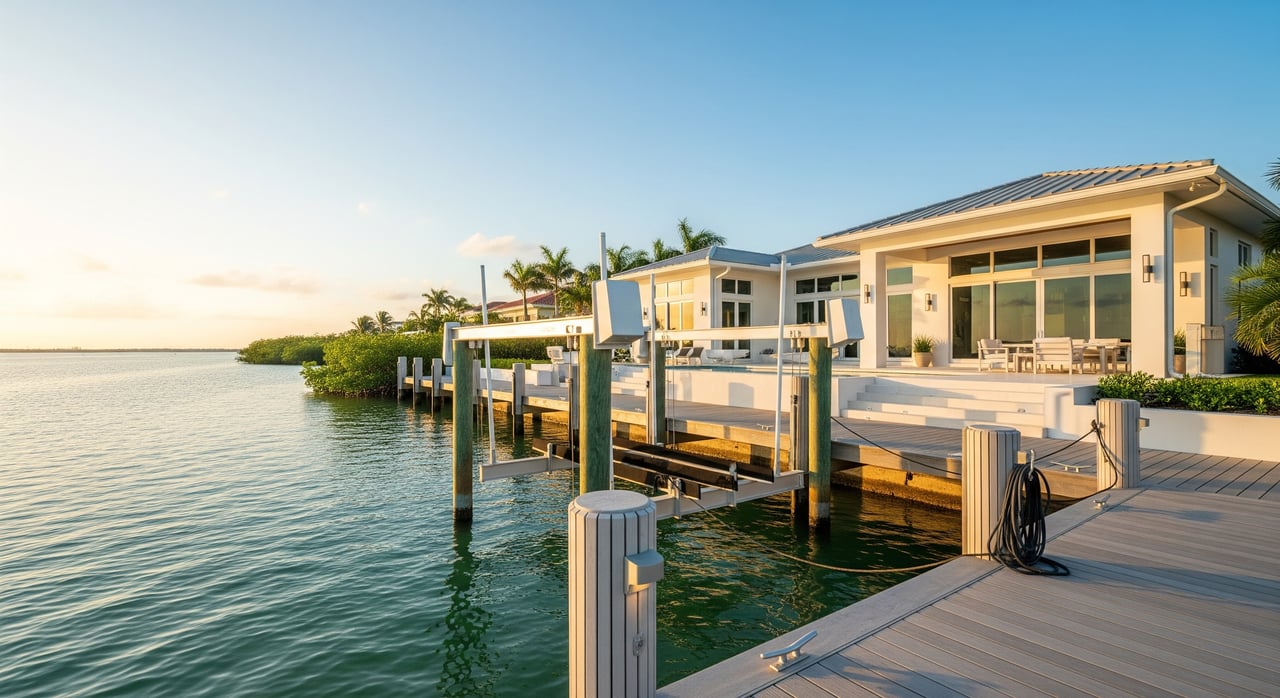
Picture stepping from your patio onto your boat, coffee in hand, gliding out to Sarasota Bay in minutes. If you are shopping on Longboat Key’s Manatee side, a boat-friendly home means more than a pretty dock. It is about depth, bridges, seawalls, utilities, and the permits behind them. This guide breaks down what truly matters so you can buy with confidence and enjoy your time on the water. Let’s dive in.
What “boat-friendly” really means
A boat-friendly property lets you dock, power, and protect your vessel safely and reach open water efficiently. On Longboat Key, canals are tidal and conditions vary by street and community. You need to confirm depth at your dock, bridge clearances on your route, the condition of the dock and seawall, and whether past work was properly permitted. The county jurisdiction also matters because Longboat Key spans Manatee and Sarasota counties.
Navigability first: depth, tides, and route
Tides and depth at your dock
Depth is the first filter. A practical rule is to have water depth that exceeds your boat’s draft with a safety margin, often 2 to 3 feet at mean low water. Local tides are modest, but they still affect access at low water. Use reliable charts and tidal datums and, if the canal has not been surveyed recently, consider a professional sounding to confirm. Ask the seller or HOA for any dredging or hydrographic surveys.
Dredging and who pays
Many residential canals on Longboat Key are privately maintained. Dredging can be costly and may occur infrequently. Confirm who is responsible for canal maintenance, how often dredging has occurred, and whether special assessments were levied or are planned. Ask for dates, scope, and any riparian rights tied to your lot that could affect future dredging requests.
Bridges and clearances
Know your air draft. Check every bridge between the property and Sarasota Bay or the Gulf for vertical clearance and whether a bridge is fixed or movable. Clearances on charts are tied to a specific tidal datum, so read carefully. If a movable bridge sits on your route, check for operating schedules or restrictions before you buy.
Speed zones and travel time
No-wake and slow-speed zones protect manatees and safety but also add time to your run. Identify marked channels, restricted areas, and any private markers in your canal network. Plan your typical trip for fuel runs or beach days so you understand how long it takes to reach your favorite spots.
Docks, lifts, and utilities that work
Dock types and fit
Common residential options include fixed pile-supported docks, floating docks, finger piers, and T-heads. Fixed docks are sturdy for larger boats. Floating docks move with the tide and can be helpful in shallower canals. Match the design to your vessel’s beam, boarding needs, and the canal’s fetch and wind exposure.
Materials and condition
Marine environments are tough on materials. Look for composite or treated decking, marine-grade fasteners, and corrosion-resistant piles or hardware. Inspect for rot, spalling concrete, corrosion, loose fasteners, and signs of movement. Ask for the dock’s age, a list of repairs, and any warranties.
Boat lifts: capacity and care
Choose a lift rated above your boat’s true operating weight, including fuel, water, gear, and any upgrades. Residential options include multi-post pile lifts, cantilever systems, hydraulic platforms, and shore-mounted systems for smaller craft. Saltwater lifts need regular anode replacement and periodic service for motors, gearboxes, and cables. Ask for manufacturer, model, capacity, age, and maintenance records.
Shore power and water at the dock
Shore power must follow the National Electrical Code for docks, including GFCI protection and marine-rated wiring. Potable water lines should include approved backflow preventers. Confirm whether utilities are metered separately, who provides them, and whether installations were permitted and inspected. During storm season, know how to safely isolate power and water.
Mooring and protection
Cleats should be sized and backed to handle your vessel’s loads. Check cleat spacing and placement for your boat’s length. Plan for fenders along pilings and consider rub-rail wear if space is tight in the canal. Proper hardware makes day-to-day docking easier and safer.
Seawalls and shoreline protection
What to inspect
Seawalls are critical infrastructure. Review the wall’s material, age, top-of-wall elevation, and tiebacks. Look for bowing, leaning, settlement, cracks, and voids behind the wall. Ask for any recent inspections by a coastal engineer or seawall specialist, and whether repairs were completed with permits.
Permits you may need
Seawall replacement, extension, and living shorelines often require approvals from Manatee County, state environmental regulators, and the U.S. Army Corps of Engineers when work occurs in navigable waters. Before you plan changes, verify existing permits, check for any open code issues, and understand setback and coastal construction line limits.
Riparian rights and setbacks
Confirm your title includes riparian rights to maintain or build docks, request dredging where applicable, and moor vessels. Local setback rules, erosion policies, and coastal lines can limit new structures. A current survey that maps the dock, seawall, and riparian boundaries is essential.
Ownership costs to plan for
Routine and long-term expenses
Owning a waterfront home comes with ongoing marine maintenance. Budget for lift service, cable and anode replacement, occasional dock repairs, and periodic sealing or plank replacement. Seawalls may need minor repairs over time and eventual replacement based on condition and elevation needs. Some canals carry HOA or special assessments for dredging or seawall work.
Utilities and insurance
Shore power and water at your dock add to monthly bills, and some communities meter them separately. Insurance typically includes homeowners coverage with endorsements for docks and lifts, plus a separate boat policy for hull and liability. Premiums vary with flood zone, elevation, wind-mitigation features, and claims history. An insurance agent experienced with coastal Florida can help you compare options.
Storm preparation
Plan for hurricane readiness. This can include removing or securing canvas, lifting and strapping the boat, isolating dock power, and storing loose items. Post-storm, lifts and electrical systems should be inspected before use. Deductibles and potential repair costs are part of realistic budgeting.
Due diligence checklist for Longboat Key buyers
Use this checklist while touring properties and reviewing disclosures.
- Verify jurisdiction: Is the home on the Manatee County side of Longboat Key? Local permitting rules differ from Sarasota County.
- Order a recent survey showing dock location, riparian boundaries, and easements.
- Confirm permits for the dock, lift, and seawall; request permit numbers and final inspections.
- Ask for canal and dock data: charted depth at mean low water, any sounding surveys, and the date and cost of the last dredging.
- Map your route to open water: list all bridges, their clearances, and any movable bridge schedules; note no-wake zones.
- Document dock details: type, dimensions, materials, age, repairs, cleat sizes, and fendering.
- Verify lift specifics: model, capacity, age, service history, and whether any warranties transfer.
- Check utilities: shore power compliance with marine codes, GFCI protection, and backflow prevention for water lines.
- Evaluate seawall: material, age, recent inspection, known settlement or leaks, and any warranty.
- Review HOA and canal responsibilities: dredging authority, past or upcoming special assessments, and any boat size or modification rules.
- Confirm flood zone and understand elevation requirements for future improvements.
- Request recent dock power and water bills, plus preliminary contractor quotes for likely repairs or upgrades.
- Obtain insurance estimates for the home, dock/lift, and boat to understand total annual cost.
- Engage the right professionals: marine contractor for the dock and lift, coastal engineer for the seawall, surveyor, licensed marine electrician, and local permitting officials.
How we help you buy smart on Longboat Key
You want a home that fits your lifestyle and works for your boat on day one. Our approach blends lifestyle guidance with the technical checks that protect your investment. We help you verify depth, bridge clearances, dock and lift capacity, seawall condition, permitting history, and likely ownership costs. With local contractor introductions and careful document review, you can close with confidence and enjoy your time on the water.
If you are exploring canal or bayfront homes on Longboat Key’s Manatee side, reach out. We will tailor a property shortlist to your vessel and boating goals, then guide you through the due diligence that matters most. Connect with Toni Schemmel to get started.
FAQs
What canal depth do I need for my boat on Longboat Key?
- Aim for depth greater than your boat’s draft plus a 2 to 3 foot margin at mean low water to account for tides and loading, and commission a sounding if recent data is unavailable.
How do bridges affect which boat I can keep at a home?
- Measure your boat’s air draft and compare it to each bridge’s published clearance along your route, noting whether clearances are listed at a specific tidal datum and if any bridges are movable.
Who handles dredging for residential canals on Longboat Key?
- It varies; responsibility can fall to an HOA, the town, the county, or private owners, so confirm who maintains your canal and ask for dredging dates, costs, and upcoming assessments.
What should a seawall inspection include before I buy?
- A qualified inspector should evaluate wall material, age, top elevation, tiebacks, signs of movement, cracks, or voids, and review any permits and repair records or warranties.
Do I need permits to replace or modify a dock or lift?
- Yes; work typically requires local building approvals and may also need state environmental review and federal permits if it affects navigable waters, so verify requirements before starting.
What ongoing costs should I expect for a dock and lift?
- Budget for lift service, anode and cable replacement, dock repairs or resurfacing, possible dredging or HOA assessments, dock utilities, and insurance endorsements for marine structures.